
Promo Brands Explained: How to Choose the Right Ones for Your Business
Discover how to choose the best promo brands and products for your Australian business, marketing team, or sports club in 2026.

Written by
Yuki Tanabe
Branding & Customisation
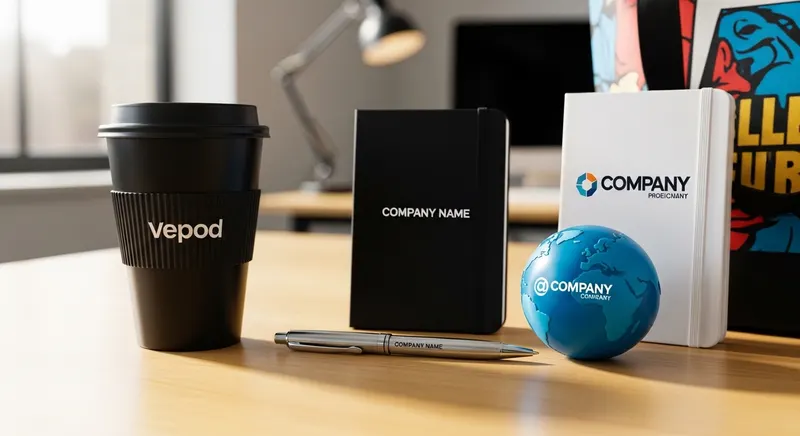
When it comes to making a lasting impression, the promo brands and products you choose say a lot about your organisation. Whether you’re a marketing manager in Sydney preparing for a major trade show, a Melbourne sports club ordering kit for the new season, or a Brisbane business building brand recognition through corporate gifts, the decisions you make around promotional merchandise can either strengthen your brand or dilute it. The good news? With the right knowledge and a clear strategy, sourcing and deploying promo brands effectively is entirely achievable — no matter your budget or industry.
What Do We Mean by Promo Brands?
The term “promo brands” covers two distinct but related concepts. First, it refers to the recognisable product brands that manufacturers use when producing promotional merchandise — think quality drinkware labels, well-known apparel brands, and trusted stationery manufacturers that provide the base products for customisation. Second, it refers to the overall identity and positioning of your own brand as expressed through promotional products.
Understanding both definitions is important. When you’re ordering promotional products through an Australian wholesale supplier, you’re often choosing between house-brand products (generic but cost-effective) and name-brand items that carry their own recognition and perceived quality. A branded keep cup from a well-regarded drinkware manufacturer, for example, will typically carry more weight with recipients than a generic alternative — even when both are decorated with your logo.
The choice between these two paths depends on your goals, your audience, and your budget. For mass giveaways at a large event, generic products with excellent decoration quality are often the smarter play. For executive gifting or premium client appreciation, name-brand product options elevate the experience considerably.
Why Promo Brands Matter to Australian Marketing Teams
Marketing teams across Australia invest significant budget in promotional merchandise each year, and for good reason. Research consistently shows that promotional products generate longer-lasting brand impressions than many digital advertising formats. A well-chosen product sits on a desk, travels in a bag, or gets used daily — creating repeated impressions at a fraction of the cost-per-view of paid media.
But here’s the thing: not all promo products deliver equal results. The quality of the base product, the decoration method used, and the relevance to the recipient all determine whether your branded item ends up genuinely used or tossed in a drawer.
For marketing teams, the sweet spot is finding products that:
- Align with your brand’s values — if sustainability is central to your positioning, eco-friendly promotional products should feature prominently in your merchandise strategy
- Suit your audience’s lifestyle — a fitness brand gifting branded gym towels or promotional yoga mats makes far more sense than generic tote bags
- Deliver daily utility — products used regularly create far more brand impressions per dollar spent
- Carry quality decoration — your logo should look sharp and professional, regardless of the product category
How to Evaluate Product Quality When Ordering Promo Brands
One of the most common mistakes organisations make when ordering promotional merchandise is prioritising price above all else. While budget absolutely matters, the cost-per-impression calculation shifts dramatically when you factor in product longevity. A slightly more expensive reusable coffee cup that a customer uses for two years will generate far more brand value than a cheap alternative that gets discarded after a week.
Here’s a practical framework for evaluating product quality:
Ask for Samples Before Committing
Any reputable promotional products supplier will be able to provide samples before you commit to a bulk order. This is especially important for apparel, drinkware, and bags where tactile quality matters enormously. Never approve a large order without physically inspecting the product first.
Understand the Decoration Method
Different products suit different decoration methods, and the method used significantly affects the final result. Screen printing works beautifully on cotton t-shirts and tote bags. Embroidery adds a premium feel to polo shirts, caps, and workwear. Laser engraving is ideal for metal drinkware and tech accessories. Sublimation delivers full-colour results on polyester items and hard surfaces.
For example, branded tote bags printed with screen printing can look striking and professional, while embroidered caps carry a distinctly premium feel. Knowing which method suits your chosen product will help you set realistic expectations for the final result.
Check Minimum Order Quantities
MOQs vary widely across product categories. Stationery items like bulk promotional pens often have low MOQs — sometimes as few as 50 to 100 units — making them accessible for smaller organisations. Apparel and more complex products typically require higher quantities to make production economical. Understanding MOQs upfront prevents budget surprises later in the process.
Selecting Promo Brands That Reflect Your Organisation’s Values
In 2026, brand values are more visible than ever. Consumers, clients, and employees notice when organisations walk the talk — and promotional merchandise is a tangible expression of your values. If your organisation is committed to reducing environmental impact, choosing sustainable promotional products is a meaningful way to demonstrate that commitment.
The range of sustainable options available to Australian organisations has expanded significantly. Reusable straws made from bamboo or stainless steel, recycled material tote bags, and organic cotton apparel are all mainstream options through reputable suppliers. A Perth council procuring merchandise for a community event, for instance, could build an entire merchandise suite around sustainability — from customised tote bags through to bamboo stationery sets — without compromising on quality or visual appeal.
For sports clubs, values-based merchandise might look different. A Gold Coast football club might prioritise high-quality, durable team apparel and accessories that celebrate club identity. A Queensland surf club might lean into outdoor lifestyle products that members will genuinely use. The principle remains the same: the best promo brands for your organisation are those that authentically reflect who you are.
Product Categories Worth Considering in 2026
The promotional products landscape continues to evolve, with certain categories consistently performing well across Australian businesses, sports clubs, and corporate environments.
Tech and Lifestyle Products
Tech accessories remain popular corporate gifts and event giveaways. Promotional wireless chargers are a strong choice for Melbourne-based businesses seeking premium gifts, while promotional USB sticks continue to hold relevance in industries where digital file sharing is routine. These products carry high perceived value and tend to be retained for extended periods.
Drinkware
Drinkware is perennially one of the strongest performing promotional product categories in Australia. The daily ritual of coffee or tea means branded drinkware receives extraordinary exposure. Whether you’re ordering keep cups, stainless steel water bottles, or novelty items like custom stubby holders for an Adelaide event, drinkware delivers consistent, long-lasting brand impressions.
Accessories and Novelty Items
Don’t overlook smaller, higher-fun items that work brilliantly for events and activations. Slap-on wristbands are a perennial favourite for school events, sports carnivals, and festivals. Tape with dispensers offers a practical option for office-focused giveaways and direct mail campaigns. These items add personality to your merchandise mix without breaking the budget.
Niche and Industry-Specific Products
Sometimes the most memorable promo product is the unexpected one. Promotional tyre gauges for driving schools are a perfect example of how matching product to industry creates a lasting impression. Similarly, promotional recipe cards for hotel room amenities demonstrate thoughtful branding in the hospitality sector. Organisations in regional areas like Cairns can access these niche products through Australian suppliers with nationwide delivery capabilities.
Budgeting and Planning Your Promo Merchandise Strategy
Effective promotional merchandise procurement doesn’t happen by accident. The organisations that get the most value from their promo brands are those that approach it strategically, with clear objectives, defined budgets, and a well-considered product mix.
A few practical tips for better outcomes:
- Plan ahead wherever possible — rush orders carry premium pricing and limit your options. Standard turnaround for most products is 10–15 business days from artwork approval, so build that into your event timeline.
- Consider your full-year merchandise calendar — instead of ordering reactively, map out your events, campaigns, and seasonal needs. Winter branded gifts for suppliers are best planned in advance, for example, to ensure availability and budget alignment.
- Negotiate volume pricing — bulk orders unlock lower per-unit pricing. If you’re ordering across multiple product categories, some suppliers will offer package deals.
- Invest in artwork quality — your decoration is only as good as the artwork supplied. High-resolution vector files (AI, EPS, or PDF) ensure sharp, accurate results across all decoration methods.
- Request proofs before production — always approve a digital proof before giving the go-ahead on production. This step catches colour, sizing, and placement issues before they become expensive mistakes.
Conclusion: Getting the Most from Promo Brands in Australia
Choosing and deploying promo brands strategically is one of the most effective ways to build brand recognition, reward loyalty, and create tangible connections between your organisation and its audience. The key is approaching your merchandise procurement with the same care and intentionality you’d bring to any other marketing investment.
Here are the key takeaways to carry forward:
- Quality over price — a well-made product that gets used daily delivers exponentially more brand value than a cheap item that gets discarded
- Match product to audience — the best promo product is one your recipient will actually use and appreciate
- Reflect your values — eco-conscious organisations should choose sustainable products; premium brands should invest in premium base products and decoration
- Plan ahead — early planning expands your options, reduces costs, and ensures your merchandise is ready when you need it
- Work with reputable suppliers — a knowledgeable supplier will guide you toward the right products, decoration methods, and MOQs for your specific goals
With these principles in place, your promo brands strategy will consistently deliver results that look great, feel authentic, and make a genuine impact on your audience.