
How to Choose the Right Promotional Products Suppliers for Your Business in Australia
Discover how to find and evaluate the best promotional products suppliers in Australia for your marketing team, business, or sports club.

Written by
Omar Hassan
Bags & Totes
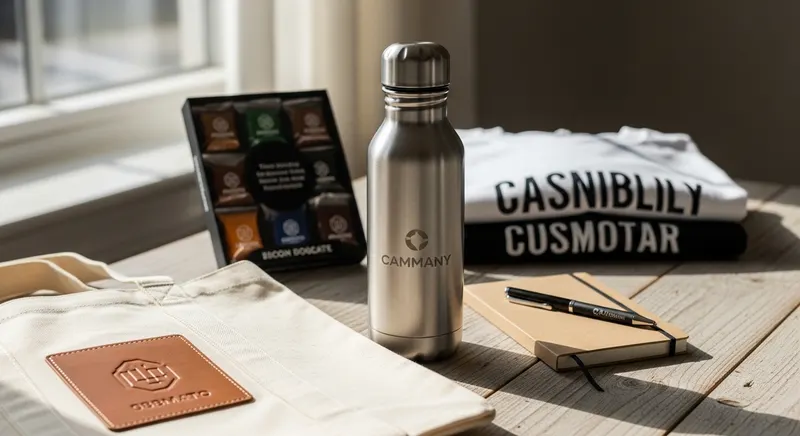
Choosing the right promotional products suppliers can make or break your next marketing campaign, event rollout, or team kit project. Order from the wrong supplier and you risk blown-out timelines, substandard print quality, or merchandise that simply doesn’t reflect your brand. Get it right, however, and you’ll have a reliable partner that consistently delivers quality branded gear on time and on budget. Whether you’re a marketing manager in Sydney coordinating a national product launch, a Brisbane sporting club sourcing new playing jerseys, or a Melbourne small business preparing for an upcoming trade show, understanding how to evaluate and choose the right supplier is one of the smartest investments you can make in your branded merchandise program.
What Does a Promotional Products Supplier Actually Do?
Before diving into the selection process, it’s worth clarifying what a reputable supplier actually provides. Promotional products suppliers in Australia handle the end-to-end process of sourcing, decorating, and delivering branded merchandise. This includes helping you select the right product for your audience and budget, advising on the most suitable decoration method (embroidery, screen printing, laser engraving, sublimation, and so on), managing artwork set-up and proof approvals, coordinating production, and arranging delivery — sometimes direct to multiple locations across the country.
A good supplier isn’t just a printing house. They’re a strategic partner who can help you navigate options, avoid common pitfalls, and ensure the final product genuinely represents your brand. If you’re sourcing products at scale — say, bulk promotional items at wholesale pricing — a supplier relationship becomes even more valuable because pricing, turnaround, and consistency all become more complex at volume.
The Difference Between a Supplier and a Decorator
It’s also worth understanding the distinction between a supplier (who sources, advises, and project-manages) and a pure decorator (who only handles the printing or embroidery on items you’ve already sourced). Most businesses are better served by working with a full-service supplier, particularly if you’re not an industry insider. Full-service suppliers typically carry or have access to thousands of product lines, manage stock risk on your behalf, and ensure the decoration method is suited to the specific item.
Key Criteria for Evaluating Promotional Products Suppliers
Not all suppliers are created equal. Here are the most important factors to consider when shortlisting your options.
Product Range and Category Depth
The best suppliers offer a comprehensive product range across all major categories — apparel, drinkware, bags, tech accessories, stationery, eco-friendly products, and more. Breadth of range matters because your needs will evolve. You might start with branded tote bags for a conference, then need custom USB drives for a corporate gifting campaign, and later move into eco-friendly promotional products to support a sustainability initiative. Having one trusted supplier who can handle all of these — rather than managing multiple vendor relationships — simplifies your workflow significantly.
Decoration Capabilities
Different products require different decoration methods, and not every supplier has in-house capability across the board. Screen printing works beautifully on cotton t-shirts and tote bags. Embroidery is the premium choice for caps and workwear. Laser engraving is ideal for metal drinkware and tech items. Sublimation delivers full-colour, edge-to-edge prints on polyester apparel and ceramic mugs.
When speaking with a potential supplier, ask specifically which decoration methods they handle in-house versus outsourcing. In-house capabilities generally mean faster turnaround, better quality control, and more competitive pricing. Outsourced decoration introduces an additional step in the supply chain — and additional risk.
Minimum Order Quantities (MOQs)
MOQs vary enormously between suppliers and product categories. Some items — like promotional pens in bulk — can have MOQs as low as 25 to 50 units, while more complex products such as promotional wireless chargers or custom drinkware might require 50 to 250 units minimum. For sports clubs or small businesses with tighter budgets, this is an important practical consideration. Always ask about MOQs upfront, and check whether the supplier can accommodate smaller runs at a slightly higher unit cost if you’re testing a new product.
Turnaround Times
Turnaround is one of the most common pain points in the industry. Standard production typically runs 10 to 15 business days from artwork approval, though some product categories take longer — particularly items sourced offshore or those requiring complex decoration. If you’re working to a hard deadline (a trade show, a product launch, a sporting finals series), make sure you discuss your timeline before placing an order. Ask specifically: “What’s the latest I can submit my artwork and still hit this date?”
Many suppliers offer rush or express services for an additional fee. This can be a lifesaver, but it’s always better to plan ahead and avoid the premium where possible.
Artwork and File Requirements
A professional supplier will have clear artwork guidelines and a structured proof process. Typically, you’ll need vector files (AI, EPS, or PDF) for print-based decoration methods, and high-resolution files for embroidery digitising. Before committing to a supplier, ask about their artwork requirements, whether they offer free design assistance, and how many rounds of proof revisions are included. A supplier who rushes through the proof process without ensuring you’re 100% satisfied with the mock-up is a red flag.
How to Source Suppliers for Specific Niches or Locations
Depending on your industry or location, you might benefit from working with a supplier who has specific experience in your niche or who can service your region efficiently.
For example, a health and wellness brand might be particularly interested in suppliers with experience across custom gym towels, promotional yoga mats, and reusable keep cups — all products that resonate with an active, health-conscious audience. A hospitality business, on the other hand, might be looking for more specialised merchandise like promotional recipe cards for hotel room amenities.
Similarly, if you’re based in a regional area, it’s worth finding a supplier with experience servicing your location. A supplier familiar with logistics to regional Queensland, for example, will be better placed to manage delivery timelines for something like promotional products in Cairns than one who primarily ships to metro areas.
Sporting Clubs and Associations
Sporting clubs have unique requirements — tight budgets, seasonal ordering windows, and the need for consistent branding across multiple product types. A supplier experienced with the sporting market will understand the importance of PMS colour matching across garments, bags, and accessories to maintain brand consistency. They’ll also be comfortable working with committee-driven decision processes, which typically take longer than corporate procurement cycles.
Items popular with Australian sporting clubs include slap-on wristbands for events and fundraisers, custom stubby holders (particularly popular for club events — check out custom stubby holders in Adelaide as an example), and seasonal products like winter branded gifts for end-of-season presentations.
Sustainability and Ethical Sourcing
Environmental responsibility has moved from a nice-to-have to a genuine differentiator for many Australian organisations. When evaluating promotional products suppliers, it’s worth asking about their approach to sustainable and ethically sourced products.
Look for suppliers who can provide sustainable promotional products including items made from recycled materials, bamboo, organic cotton, or other environmentally responsible inputs. Eco-friendly options like reusable straws and customised tote bags are increasingly popular choices for corporate events and conferences, particularly for government bodies and councils who have formal sustainability commitments to uphold.
Ethical sourcing is equally important. Ask whether the supplier has visibility into their manufacturing supply chain, and whether they can provide certifications such as BSCI, SEDEX, or Fair Trade for relevant product categories. A reputable supplier will welcome these questions rather than deflect them.
Budget Considerations and Getting the Most from Your Investment
Promotional merchandise budgets span an enormous range — from a few hundred dollars for a local sporting club fundraiser to six-figure annual spends for national marketing teams. Regardless of your budget, getting the most from your spend comes down to a few key principles.
First, consolidate your orders where possible. Combining multiple product types into a single order with one supplier will typically give you better pricing leverage and simplify your admin. Second, plan ahead — last-minute rush orders always cost more and create unnecessary stress. Third, consider the longevity and practicality of your chosen products. A tape dispenser with branding or a custom tyre gauge might seem niche, but if it’s genuinely useful to your audience, it will deliver far more brand impressions over its lifetime than a generic trinket that ends up in a drawer.
Finally, always request a sample before committing to a large run of any new product. Reputable suppliers will accommodate this, sometimes at a small cost. Seeing and feeling the product before production begins can save you significant money and frustration.
Working With a Promotional Products Supplier Long-Term
The most efficient and cost-effective approach to branded merchandise is to develop an ongoing relationship with a trusted supplier rather than shopping around for every order. A supplier who knows your brand, understands your preferences, has your artwork on file, and knows your typical timelines and budget parameters will consistently deliver better outcomes than starting from scratch each time. For a deeper look at what to expect from a dedicated supplier relationship, our guide to finding a promotional products supplier covers what questions to ask and what green flags to look for.
Conclusion: Key Takeaways for Choosing Promotional Products Suppliers in Australia
Selecting the right promotional products suppliers is one of the most important decisions in your branded merchandise program. Here’s a summary of the key points to keep in mind:
- Evaluate range and decoration capabilities — look for suppliers who offer a broad product range and handle multiple decoration methods in-house, ensuring quality control and competitive turnaround times.
- Clarify MOQs and turnaround expectations upfront — always discuss minimum order quantities and production timelines before committing, particularly if you’re working to a fixed event date.
- Ask about sustainability and ethical sourcing — a reputable supplier should be able to offer eco-friendly product options and have transparency into their supply chain.
- Consider niche expertise and location — suppliers with experience in your specific industry or region will better understand your unique requirements and logistical needs.
- Build a long-term relationship — consolidating your orders with one trusted supplier saves time, streamlines your artwork management, and typically results in better pricing over time.
With the right promotional products supplier by your side, your branded merchandise becomes a genuine asset — one that builds brand recognition, rewards loyalty, and makes a lasting impression wherever it’s seen.